
What Is Considered Low Voltage? A Guide for Smarter Infrastructure Planning
Share This:
What Exactly Is Low Voltage and Why It Matters
Low voltage wiring might not be something you think about every day, but it’s working behind the scenes to keep your business running. It powers internet connections, phone lines, security systems, and smart lighting. Unlike standard electrical wiring, low voltage systems run on less than 50 volts and are designed to move data and control signals, not heavy-duty power. So if you’re upgrading your office, building out your network, or adding new tech, understanding what is considered low voltage can help you make smart, cost-effective decisions.
Common Applications in Commercial and Industrial Settings
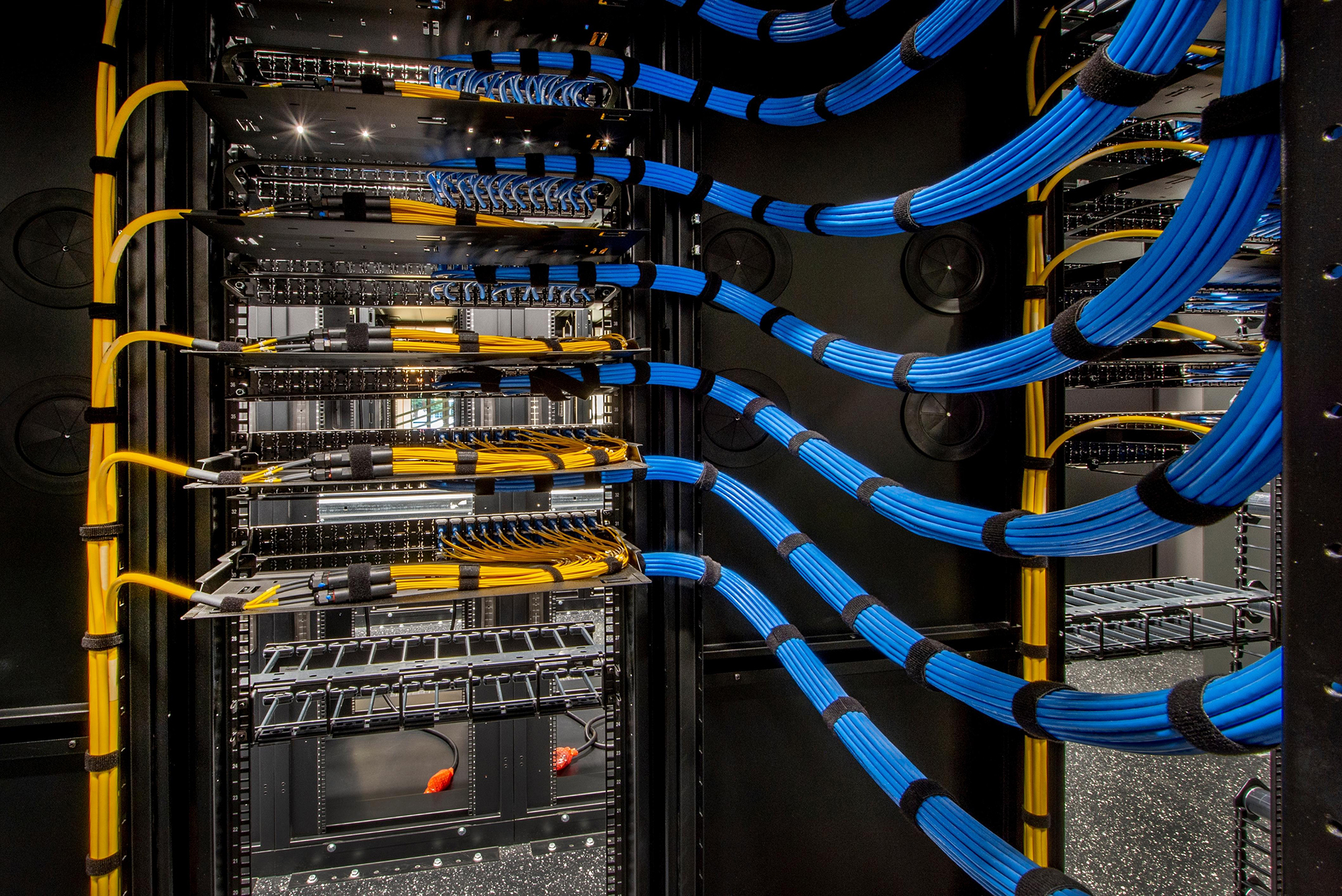
Structured Cabling for Networks, Telecom, and Internet Access
- Links your computers, phones, and printers so everything can communicate
- Uses Cat5e, Cat6, or fiber cables for reliable high-speed connections
- Supports Wi-Fi access points and backup internet to keep your team online
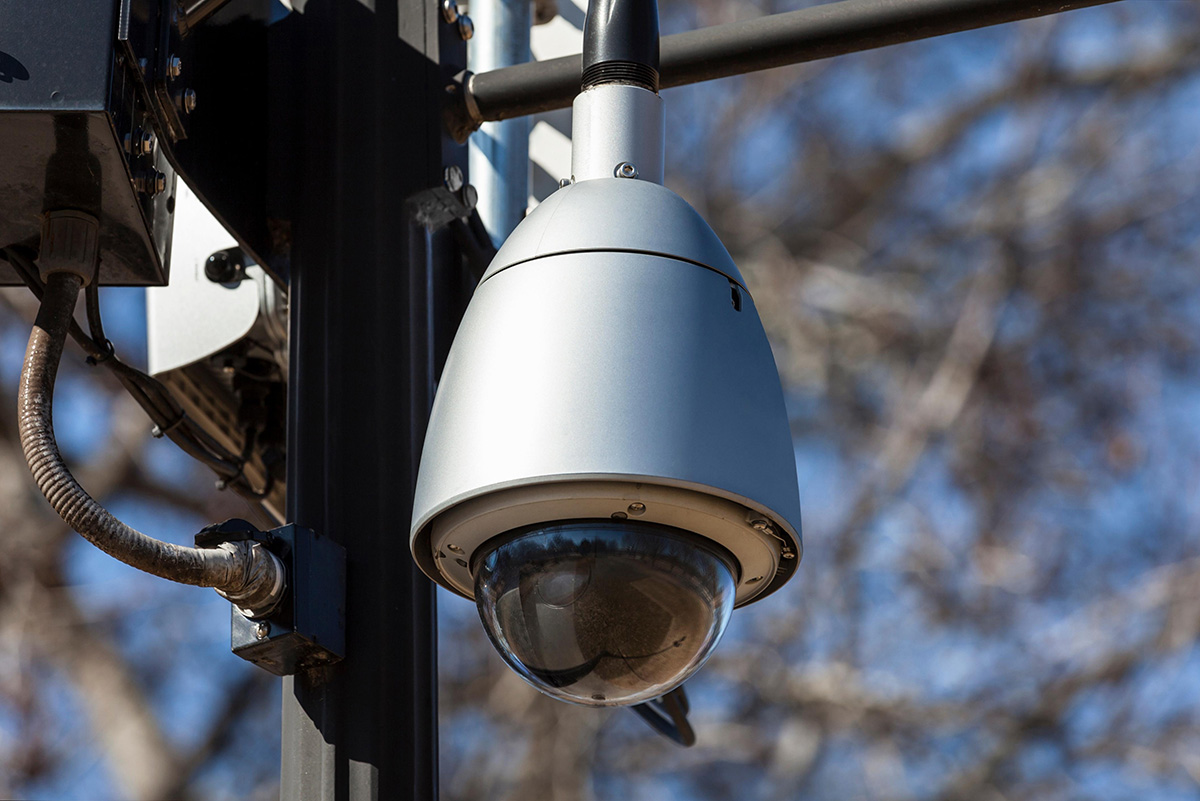
Security Systems: Cameras, Access Control, and Alarms
- Powers your CCTV cameras, door badge readers, and alarm systems
- Helps monitor your space and respond quickly when needed
- Runs efficiently on low voltage power, keeping costs down
Audio/Visual Systems and Smart Building Features
- Connects intercoms, PA systems, and digital signs
- Supports smart tools like automated lighting, thermostats, and sensors
- Installs easily alongside your existing tech setup
Low voltage installations are everywhere, whether they are keeping your building secure or making sure your team stays connected. When designed correctly, they work effortlessly in the background, doing their job so your team can do theirs.
Defining the Voltage Range and Technical Specs
What is Considered Low Voltage?
In most commercial settings, low voltage refers to any electrical system operating under 50 volts of electricity. This includes both AC (alternating current) and DC (direct current) systems that are built for communication and control, not powering heavy machinery.
Common Low Voltage Levels You’ll See
- 12V: Often used in security cameras, intercoms, and lighting
- 24V: Common for building automation and HVAC controls
- 48V: Frequently found in telecom equipment and networking gear
How Low Voltage is Classified
Low voltage systems are grouped into Class 1, Class 2, or Class 3 under the National Electrical Code (NEC). Most business use cases fall under Class 2 and 3. These are considered safe to install with minimal risk. These classifications help ensure proper insulation, power limitations, and fire safety, depending on what the system is used for.
When and Why Low Voltage is Used
You don’t have to be an engineer to see the appeal of low voltage wiring. It’s designed for everyday systems your team uses constantly, but without the high cost or added risk that comes with traditional electrical infrastructure.
Built for Communication, Not Heavy Lifting
Low voltage wiring is perfect for systems that need to send signals or transmit data: think internet access, building automation, and video surveillance. These systems don’t require a lot of power, which makes low voltage a better, safer fit.

Safer and More Energy-Efficient
Lower voltage usually means lower risk. That’s why low voltage systems are considered safer to install and maintain, especially in busy commercial spaces. In contrast, standard high voltage systems (like 120V or more) carry a greater risk of shock, fire, or equipment damage if mishandled. Low voltage systems are designed to support modern tech needs without the added hazards.
They also help reduce operational costs. Because low voltage systems consume significantly less energy, they help lower utility bills, especially at scale. Over time, this can result in huge savings for businesses looking to manage long-term infrastructure costs without sacrificing performance.
Integrating Low Voltage When You’re Scaling or Upgrading
You’ll typically need low voltage installation during:
- New construction projects
- Office renovations or IT expansions
- Security system upgrades or smart tech installations
Whether you’re building out a new floor or improving your Wi-Fi coverage, chances are a low voltage solution is involved. Understanding that up front helps you plan more effectively and avoid surprises later.
Who Handles Low Voltage Installations?
Trusted, Licensed Low Voltage Contractors Make the Difference
Low voltage systems may run on less power, but they still require detailed design and proper execution. Certified low voltage technicians understand how to install, test, and troubleshoot everything from data lines to security systems, so they stay reliable under real-world conditions.
When you’re choosing the right provider, it is more than checking their availability. It’s vital to verify their credentials and experience. Look for licensed low voltage contractors who meet state or local certification requirements. For example, in California, providers need to have a C-7 low voltage contractor license. In most cases, this means holding a low voltage systems contractor license, passing exams, and following strict code standards. The ideal provider will be familiar with NEC guidelines and show you documented experience with structured cabling, network design, and system integration. It’s the difference between a quick install and one that’s truly built to last.

Bad Installs Lead to Bigger Problems
When low voltage isn’t installed correctly, issues tend to show up fast. You might experience dropped calls, inconsistent Wi-Fi, glitchy security feeds, or devices that randomly stop working. In some cases, poor workmanship can even result in short circuits or interference that damages your equipment or voids warranties. It’s not just about clean cable runs. It’s about system performance and long-term reliability.
Low Voltage, High Impact: Smart Infrastructure Starts Here
Low voltage systems aren’t particularly flashy, but they are essential. They’re what make everything else work, from Wi-Fi to access control to building automation. When you’re planning a project, whether it’s a full build-out or just a tech upgrade, understanding how and when low voltage fits in helps you budget smarter, avoid rework, and get the right people involved early.
A well-designed low voltage system won’t slow you down or box you in. It should be scalable, reliable, and ready to evolve with your business, not something you have to revisit every year.
ASR Tech helps make that happen. We coordinate low voltage installations with precision, bring in trusted experts, and keep your infrastructure aligned with your goals, so you can move forward without added stress. Ready to build smarter, safer, and with less guesswork? Let’s talk.